
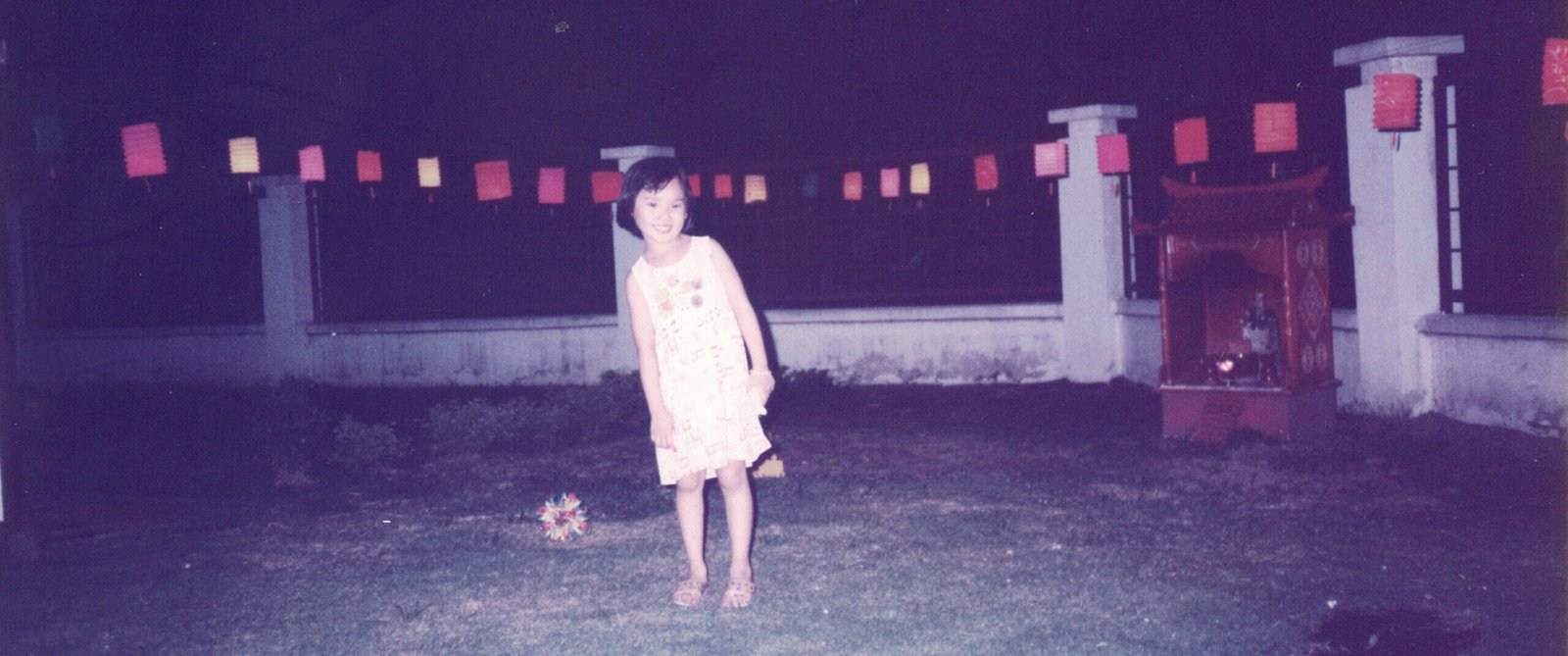
The Mooncake festival is here! This is one of my most cherished celebrations. When I was little, my parents would buy stacks of paper lanterns and colorful candles for me and my siblings. Instead of holding on to our own little lanterns, we would decorate the trees in our little yard. We hung different colored lanterns, stood candles on the concrete floor, and set a few small bricks to the side, pretending we were chefs cooking a meal on a stove for each other and melting the colored candles to see who can make the best colored wax. I am reminded of these moments whenever the Mooncake festival is around the corner. Don’t worry, the adults watched over us when we were playing with fire!
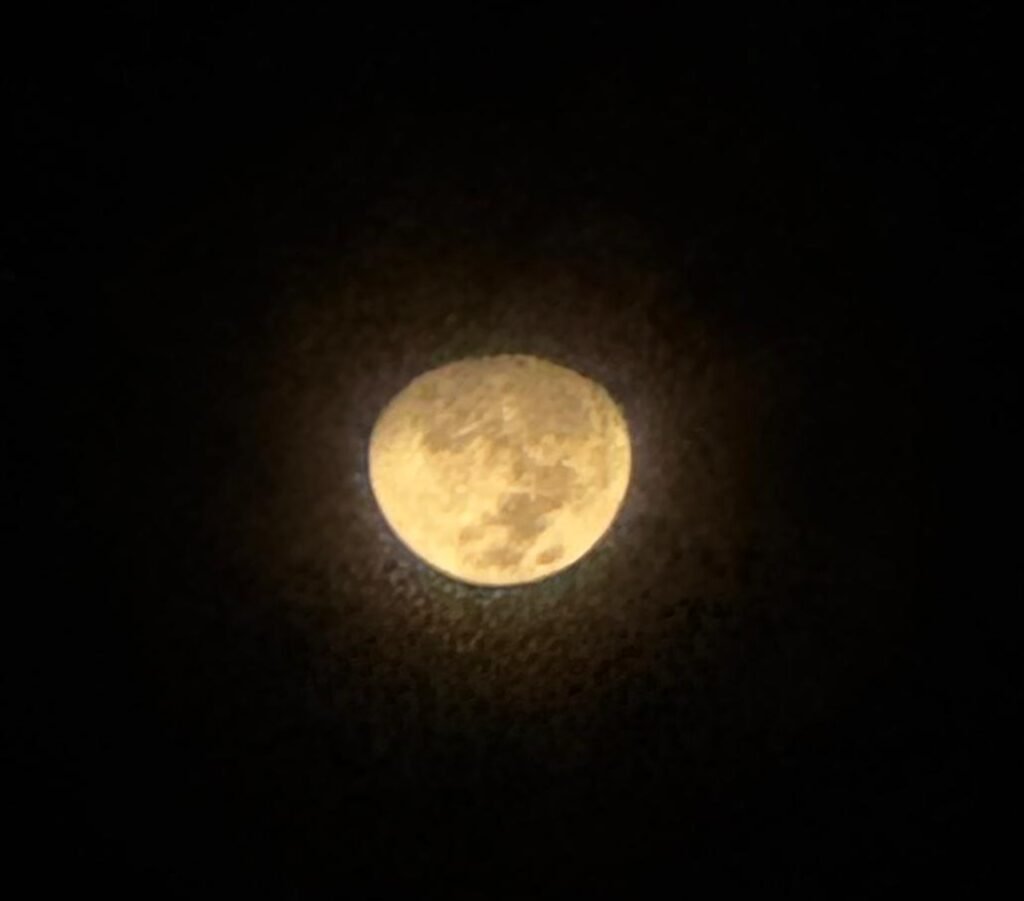
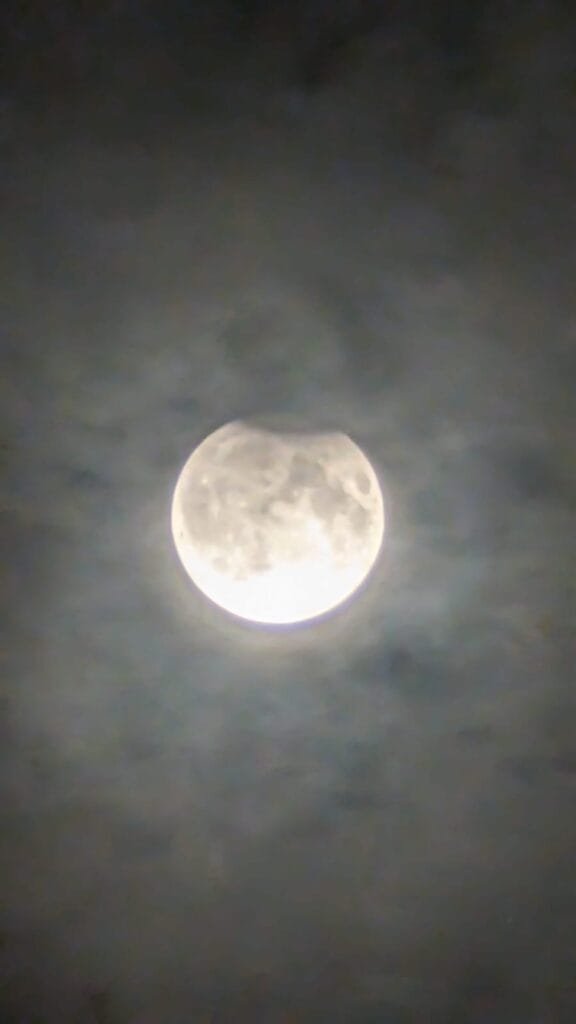
After lighting the lanterns, my parents would turn off the lights in our house, and we would enjoy watching the lanterns flicker against the night sky; this is the only time our little home would look like Christmas. When we were done burning out the extra candles, we would sit quietly on the grass to enjoy the light of the moon with our Mooncakes. To add a cherry on top, my parents would tell us a little folk tale on how the Mooncake Festival came about.
The story starts with a female deity who has always been fascinated by the mortal world. She would observe the mortals and wonder what her life would be like if she were one of them. As time went on, she found herself falling in love with a mortal man she had been observing and decided to live amongst the mortals. Not long after interacting with the mortal man she had fallen in love with, they decided to be wed. Their lives were joyous but alas, short lived. The Emperor of Heaven (Yu Huang Dadi) found out what had happened and was furious that the deity had broken the rule of heaven, of falling in love with a mortal and abandoning her duty as a deity. To punish her, the Emperor of Heaven banished her to the moon, never to be united with her husband, alone. However, the Heavenly Queen Mother (Wang Mu Niang Niang) felt compassion for the love between the deity and the mortal; she pleaded to the Emperor of Heaven to allow a reunion once a year. So one night a year, the immortal crane would form a bridge to the moon and the mortal would climb the bridge to spend the night with his lover.
That was the story that was told to me when I was little; a love story, a celebration of the reunion between lovers, which would become the Mooncake festival.
Perhaps you are more familiar with this popular version of the tale: Chang’e was the wife of Hou Yi, the archer who shot down nine of the ten scorching suns, whose combined heat devastated the lands below. Hou Yi was rewarded with an immortal elixir that was meant to be shared between him and his wife. However, to protect the elixir from a thief, Chang’e had drunk the elixir all herself. Upon drinking the elixir that was not meant for a single person, she floated into the sky. On the moon she resided, alone and longing for her husband. Every year during the Mooncake Festival, Chang’e will reveal herself in the sky as a full moon to greet her husband, and she is immortalized as the Goddess of the Moon. Don’t be too sad for Chang’e! In other versions of the tale, she has a rabbit companion, but we’ll save the story of the moon rabbit for another time.
What version of the folk tale were you told? Share it in the comments below 🙂
The Mooncake festival is here! This is one of my most cherished celebrations. When I was little, my parents would buy stacks of paper lanterns and colorful candles for me and my siblings. Instead of holding on to our own little lanterns, we would decorate the trees in our little yard. We hung different colored lanterns, stood candles on the concrete floor, and set a few small bricks to the side, pretending we were chefs cooking a meal on a stove for each other and melting the colored candles to see who can make the best colored wax. I am reminded of these moments whenever the Mooncake festival is around the corner. Don’t worry, the adults watched over us when we were playing with fire!
After lighting the lanterns, my parents would turn off the lights in our house, and we would enjoy watching the lanterns flicker against the night sky; this is the only time our little home would look like Christmas. When we were done burning out the extra candles, we would sit quietly on the grass to enjoy the light of the moon with our Mooncakes. To add a cherry on top, my parents would tell us a little folk tale on how the Mooncake Festival came about.
The story starts with a female deity who has always been fascinated by the mortal world. She would observe the mortals and wonder what her life would be like if she were one of them. As time went on, she found herself falling in love with a mortal man she had been observing and decided to live amongst the mortals. Not long after interacting with the mortal man she had fallen in love with, they decided to be wed. Their lives were joyous but alas, short lived. The Emperor of Heaven (Yu Huang Dadi) found out what had happened and was
furious that the deity had broken the rule of heaven, of falling in love with a mortal and abandoning her duty as a deity. To punish her, the Emperor of Heaven banished her to the moon, never to be united with her husband, alone. However, the Heavenly Queen Mother (Wang Mu Niang Niang) felt compassion for the love between the deity and the mortal; she pleaded to the Emperor of Heaven to allow a reunion once a year. So one night a year, the immortal crane would form a bridge to the moon and the mortal would climb the bridge to spend the night with his lover.
That was the story that was told to me when I was little; a love story, a celebration of the reunion between lovers, which would become the Mooncake festival.
Perhaps you are more familiar with this popular version of the tale: Chang’e was the wife of Hou Yi, the archer who shot down nine of the ten scorching suns, whose combined heat devastated the lands below. Hou Yi was rewarded with an immortal elixir that was meant to be shared between him and his wife. However, to protect the elixir from a thief, Chang’e had drunk the elixir all herself. Upon drinking the elixir that was not meant for a single person, she floated into the sky. On the moon she resided, alone and longing for her husband. Every year during the Mooncake Festival, Chang’e will reveal herself in the sky as a full moon to greet her husband, and she is immortalized as the Goddess of the Moon. Don’t be too sad for Chang’e! In other versions of the tale, she has a rabbit companion, but we’ll save the story of the moon rabbit for another time.
What version of the folk tale were you told? Share it in the comments below 🙂
The Mooncake festival is here! This is one of my most cherished celebrations. When I was little, my parents would buy stacks of paper lanterns and colorful candles for me and my siblings. Instead of holding on to our own little lanterns, we would decorate the trees in our little yard. We hung different colored lanterns, stood candles on the concrete floor, and set a few small bricks to the side, pretending we were chefs cooking a meal on a stove for each other and melting the colored candles to see who can make the best colored wax. I am reminded of these moments whenever the Mooncake festival is around the corner. Don’t worry, the adults watched over us when we were playing with fire!
After lighting the lanterns, my parents would turn off the lights in our house, and we would enjoy watching the lanterns flicker against the night sky; this is the only time our little home would look like Christmas. When we were done burning out the extra candles, we would sit quietly on the grass to enjoy the light of the moon with our Mooncakes. To add a cherry on top, my parents would tell us a little folk tale on how the Mooncake Festival came about.
The story starts with a female deity who has always been fascinated by the mortal world. She would observe the mortals and wonder what her life would be like if she were one of them. As time went on, she found herself falling in love with a mortal man she had been observing and decided to live amongst the mortals. Not long after interacting with the mortal man she had fallen in love with, they decided to be wed. Their lives were joyous but alas, short lived. The Emperor of Heaven (Yu Huang Dadi) found out what had happened and was
furious that the deity had broken the rule of heaven, of falling in love with a mortal and abandoning her duty as a deity. To punish her, the Emperor of Heaven banished her to the moon, never to be united with her husband, alone. However, the Heavenly Queen Mother (Wang Mu Niang Niang) felt compassion for the love between the deity and the mortal; she pleaded to the Emperor of Heaven to allow a reunion once a year. So one night a year, the immortal crane would form a bridge to the moon and the mortal would climb the bridge to spend the night with his lover.
That was the story that was told to me when I was little; a love story, a celebration of the reunion between lovers, which would become the Mooncake festival.
Perhaps you are more familiar with this popular version of the tale: Chang’e was the wife of Hou Yi, the archer who shot down nine of the ten scorching suns, whose combined heat devastated the lands below. Hou Yi was rewarded with an immortal elixir that was meant to be shared between him and his wife. However, to protect the elixir from a thief, Chang’e had drunk the elixir all herself. Upon drinking the elixir that was not meant for a single person, she floated into the sky. On the moon she resided, alone and longing for her husband. Every year during the Mooncake Festival, Chang’e will reveal herself in the sky as a full moon to greet her husband, and she is immortalized as the Goddess of the Moon. Don’t be too sad for Chang’e! In other versions of the tale, she has a rabbit companion, but we’ll save the story of the moon rabbit for another time.
What version of the folk tale were you told? Share it in the comments below 🙂